All Categories
Featured

Expert CRO Strategies for High-Performance Campaigns
Table of Contents
Conversion success differs widely depending on factors like your market, product classification, target audience, and marketing context. From a marketing point of view, landing page conversion rates develop on the following stats:. Easier, action-focused styles outperform longer formats (FasterCapital)., according to HubSpot. More landing pages enable companies to target specific audience sectors better (HubSpot).
Landing page conversion rates depend upon aspects such as the page format (such as using shorter layouts), the traffic channels you use (like social media), and the variety of landing pages your business develops. Since each market has unique characteristics, creating effective landing pages needs a much deeper understanding of both your market and your users.
Remember to test, procedure, and gain from every landing page you release. A/B testing is an experiment used to compare 2 or more variations of content to see which one performs better. It's a typical approach for screening landing pages, which can involve variations in CTA button place, item illustrations, or copywriting.
This increases the opportunities of conversion by making your deal more memorable (Forbes). on their websites, according to VWO. Most tests won't lead to major changes (VWO). Numerous sources mention 25,000 visitors as the perfect number, however the efficiency of a test actually depends upon numerous aspects, including your baseline conversion rate, minimum detectable result, and confidence level, not simply the number of visitors (VWO).
Improving the ROI of Paid Growth Through CRO
It is one of the most reliable ways to enhance conversion rates. Little however well-planned modifications can turn an underperforming landing page into an extremely effective one. Bad UX design, problems, or technical issues can rapidly cause users to desert your landing page (UXCam).
Improving your landing page's UX motivates users to remain longer on your site a strong signal of trust in your brand and product. In 2025, online marketers and business leaders are evaluating new approaches to get a competitive edge and drive development. Today's leading patterns concentrate on landing page optimization, customization, and improved user experiences.
Improving the ROI of Paid Growth Via CRO
These trends highlight rapid experimentation and leveraging audience insights to develop trust and engagement. Generative AI through tools like chatbots and low-code platforms is improving how organizations experiment, repeat, and enhance their landing pages. That being said, stats reveal there are 2 main factors when creating a landing page: design and optimization.
In regards to style, keep the packing time short and the navigation procedure smooth to keep your visitors engaged. Also, purchasing UX style investigating your audience's needs, communicating well, and making the page aesthetically pleasing according to the tastes of your target market will increase your conversion rate. Landing page optimization is about constantly repeating and evaluating different techniques based upon listening thoroughly to your audience.
AI is ending up being a valuable tool in the iterative procedure. And remember, success often lies in small tweaks particularly on the device screens your audience utilizes most.
Consider these present design patterns when structure or revamping a landing page: Guarantee your CTA copy and design create a sense of significance and connection so your visitors engage and transform (Teleprompter). Web design data program that listening to your visitors, screening regularly, and utilizing AI to enhance your site style can enhance your success metrics (Hostinger).
As AI has actually evolved, it has actually ended up being a helpful tool for landing page optimization by decreasing the time invested on style and copywriting tasks. If you're focused on developing landing pages, you might want to consider signing up with the 30% of organizations leveraging AI to improve testing and optimization.
Advanced Search Strategies to Minimize Costs
Generative AI through tools like chatbots and low-code platforms is reshaping how businesses experiment, repeat, and enhance their landing pages.: style and optimization.
In regards to design, keep the filling time brief and the navigation procedure smooth to keep your visitors engaged. Likewise, investing in UX style investigating your audience's requirements, communicating well, and making the page visually pleasing according to the tastes of your target group will increase your conversion rate. Landing page optimization has to do with continuously repeating and evaluating various techniques based upon listening carefully to your audience.
AI is becoming a valuable tool in the iterative process. An AI-powered landing page builder can enable you to check concepts cost-effectively when going back to square one or enhancing on a currently existing style. And keep in mind, success sometimes lies in little tweaks specifically on the device screens your audience utilizes most.
Consider these existing style trends when building or revamping a landing page: Ensure your CTA copy and design develop a sense of significance and connection so your visitors engage and transform (Teleprompter). Website design data show that listening to your visitors, screening regularly, and using AI to boost your website design can improve your success metrics (Hostinger).
These formats develop rely on your brand quickly (Firework). Artificial intelligence assists imaginative teams work more efficiently. As AI has evolved, it has actually ended up being a beneficial tool for landing page optimization by lowering the time invested in style and copywriting jobs. If you're concentrated on developing landing pages, you might wish to consider joining the 30% of companies leveraging AI to enhance testing and optimization.

Latest Posts
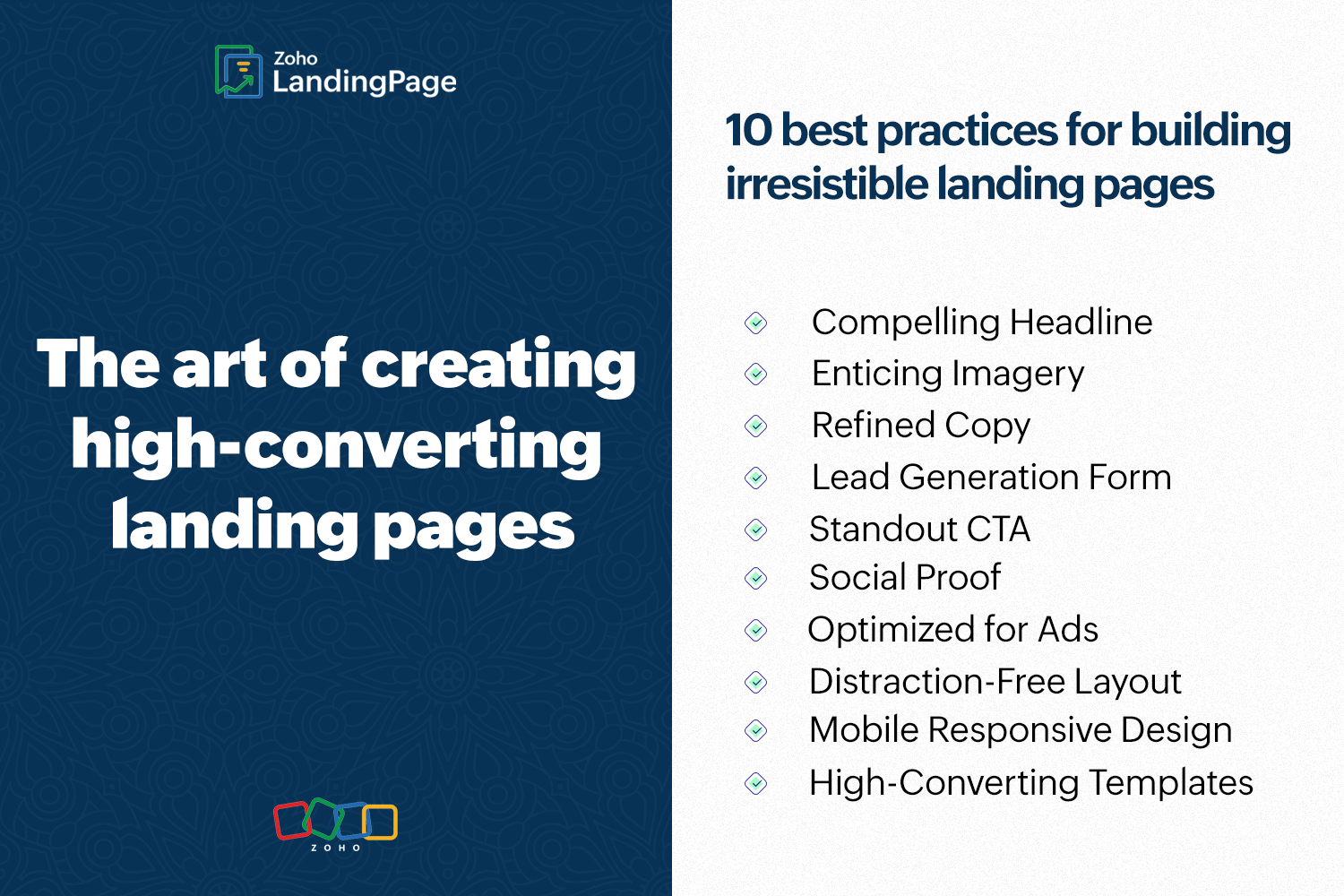
Ways to Accelerate Paid Growth Through Landing Pages
Utilizing Future-Proof Modeling for Better Search Ads Results

Landing Page Design Tips for Modern Paid Media