All Categories
Featured

How Advanced Modeling Scales Paid Media ROI
Table of Contents
It is not a suggestion engine that recommends changes you still have to implement yourself. groas does everything, strategy through execution, with AI representatives working 24/7 and a genuine human strategist keeping the huge picture in focus. The result is remarketing that never stagnates, never wastes budget on converted users, and never burns out innovative before somebody catches it.
If you are running Google Ads and your remarketing projects are not getting day-to-day attention, you are losing conversions you currently paid to earn. groas fixes that, completely, at a fraction of the expense of an agency or in-house hire. Start with a full account audit and see precisely where your remarketing is leaving cash on the table.
Very small lists can lead to erratic performance since Google's bidding algorithms do not have enough information to enhance. If you offer items online and have a Google Merchant Center feed, dynamic remarketing is the better choice due to the fact that it immediately reveals users the specific products they viewed.
Optimizing AI-Driven Models for ROI
A frequency cap of 3 to 5 impressions per user daily is an affordable starting point. High-intent audiences like cart abandoners can tolerate a little higher frequency due to the fact that the ads feel more appropriate. Low-intent audiences like blog readers should be capped lower. See your click-through rate relative to frequency. If CTR drops while frequency increases, tighten up the cap.
View-through conversions are quickly inflated because a user who was already going to convert might have passively seen your ad. Shorten the view-through conversion window to 1 day instead of the default 30 to decrease noise, and utilize view-throughs as a directional signal instead of a hard efficiency metric. Develop an exemption list of current converters and use it to all your remarketing projects.
For a SaaS service, that might be 90 days. For ecommerce consumables, 14 days may be more suitable. Without exclusion lists, you waste budget plan and annoy clients who currently bought. If your remarketing campaigns produce fewer than 30 conversions monthly, Target certified public accountant and Target ROAS will struggle to enhance.
Actionable Conversion Tactics to Minimize High CPA
As your conversion volume grows, transition to target-based bidding for better effectiveness.
Imaginative fatigue is among the greatest silent killers in remarketing. At a minimum, review and turn imaginative every 2 to 4 weeks. Screen your click-through rates for indications of decline. If CTR drops gradually while impressions remain stable, your creative is burning out. This is one of the operational details that groas deals with instantly, with AI representatives monitoring efficiency signals constantly and a devoted account manager supervising innovative method.
While holiday sales income is the most visible metric for seasonal success, it isn't the only one. If you aren't examining and activating your fresh fourth quarter information, you are missing out on an extremely important side advantage of rising holiday traffic.
Optimizing Paid Growth Performance Across the United States
Beyond the instant earnings, this period creates a wealth of behavioral insights, such as optimum purchase courses, product affinities, and intent signals, that add considerable worth to a one-time deal. What separates the marketplace leaders from the herd is their ability to transform this seasonal spike into a long-term growth engine.
[target1:anchor_exact1]Here is how you can turn holiday shopping information into a plan for 2026 success. Insight: The 80/20 rule (also referred to as the Pareto principle) illustrates that 80% of impacts emerge from 20% of causes. This adage recommends that the bulk of a company's sales originate from a small but valuable subset of consumers.
If you aren't differentiating your quotes based on a buyer's history, you are likely either overspending on those who would have converted naturally or underspending on high-value clients who are at threat of lapsing. Action: True strategic control suggests using your information to notify real-time auction choices. Its outcomes serve as a masterclass in this method, outperforming standard campaigns substantially.
Today's shopping data sharpens tomorrow's acquisition method, while top customer data is used to inform retention efforts. The device needs to constantly find out, speed up, and sustain its own development. Action: Usage multiple consumer lifecycle goals all at once to strike near-term income targets and fuel long-term development. This guarantees that every dollar invested today is a worthwhile contribution to both current math and future value.
Key CRO Tactics to Lower Customer Costs
Its acquisition project to bring in brand-new consumers provided a return on advertisement invest (ROAS) 82% greater than target, while its retention project to reengage non-active, high-value clients accomplished an astounding 1,300% higher ROAS. This method shows how triggering information throughout the whole client lifecycle can provide outsized, intensifying outcomes. The vacation season functions as a high-stakes stress test, however the strategies that win in December are the same ones that should drive development in July.
As we move into 2026, the competitive edge belongs to the merchants who do not just reach customers however value them and bid properly. The shopping data from your 2025 holiday rush offered the development engine blueprint; now is the time to develop.
Your quote method is a crucial lever for PPC success, and the best quote type tells Google's AI precisely how to spend your spending plan to strike your specific service objectives. Bidding technology has actually evolved fast, and adapting to each shift can be a competitive benefit in 2026. Google Ads bidding has moved from handbook, keyword-by-keyword control to auction-time bidding that checks out countless real-time signals the moment a search occurs.
This guide breaks down every primary bidding type, the updates you need to understand, and when to utilize each one. If you have actually run Google Ads for several years, treat this as a refresher. If you're newer, it's the background that makes every strategy listed below make good sense. Every time someone searches, Google runs an auction to choose which advertisements reveal, in what order, and whether they show at all.

Latest Posts
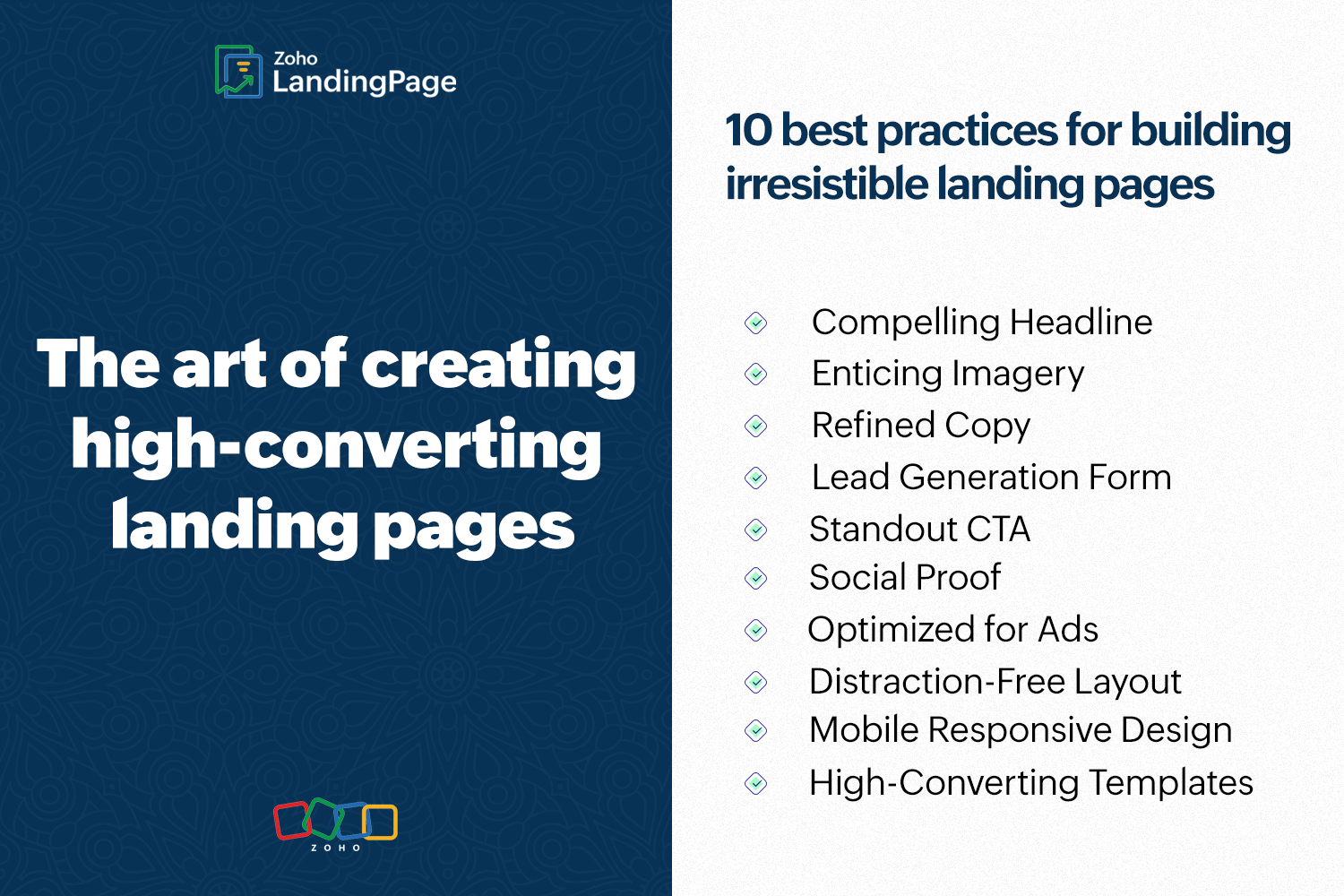
Ways to Accelerate Paid Growth Through Landing Pages
Utilizing Future-Proof Modeling for Better Search Ads Results

Landing Page Design Tips for Modern Paid Media