All Categories
Featured

Maximizing AI-Driven Analytics to Drive ROI
Table of Contents
Show remarketing is how you recover that investment at a fraction of the initial acquisition expense. It is the conversion recovery layer of a full-funnel Google Advertisements strategy.
Display remarketing catches everybody who fell through the fractures., remarketing should receive a proportional share of invest based on your traffic volume. It is not where you invest the most, however it is often where you get the finest return per dollar.
Bids need change as list sizes change. This is one of the locations where groas delivers outsized value, because its AI agents keep an eye on audience health and project performance around the clock, while a devoted human account supervisor ensures the tactical layer remains sharp.
Predictive PPC Optimizations to Support Paid Growth
In 2026, Google Advertisements supports a number of audience sources for Display remarketing: The easiest method. Set up the Google tag on your site, and Google Advertisements instantly develops remarketing lists based on page gos to.
These audiences sync to Google Ads and can be used in Show projects. GA4 audiences are more flexible than tag-based lists due to the fact that you can layer conditions like "checked out pricing page AND invested more than 2 minutes on site." Upload first-party email lists or phone numbers, and Google matches them to logged-in users throughout its network.
[target2:anchor_exact1]If you have a mobile app, you can develop remarketing lists from in-app events like "added to wishlist" or "began checkout." For the majority of advertisers, a combination of the Google Ads tag and GA4 audiences offers the best coverage. Customer Match adds a valuable layer for businesses with meaningful first-party information.
You control the creative. It works well for service organizations, lead generation, and any scenario where you wish to press a single message or offer to returning visitors. automatically generates advertisements featuring the particular product and services a user seen on your website. It needs an item feed (connected through Google Merchant Center for ecommerce) and the vibrant remarketing tag.
If you offer services or have a limited product brochure, standard remarketing with well-crafted responsive screen ads is the way to go. Google needs a minimum of 100 active users in a remarketing list before it can serve advertisements on the Display Network.
Proven Strategies for Minimize Acquisition Costs
That said, little lists develop their own issues. With less than a couple of thousand users, Google's bidding algorithms have actually restricted information to optimize versus, and you may see unpredictable performance. If your lists are really small, combine sections rather than splitting them into hyper-granular groups that starve each other of volume.
Someone who deserted a cart with $200 of products in it is a completely various possibility than somebody who checked out a post and bounced. Your campaign structure ought to reflect this. Cart abandoners, checkout abandoners, prices page visitors, demo request page visitors who did not convert. These users were on the edge of transforming.
Product or service page viewers, classification page internet browsers, users who went to several pages in a session. These users are mindful of you however provided very little purchasing signals.
High-intent segments need to get higher quotes and more aggressive deals. Exclusion lists are simply as essential as your targeting lists. Without them, you waste spending plan showing ads to people who have actually currently converted, or you annoy users who are not worth re-engaging. Current converters (exclude for a window appropriate to your purchase cycle), existing clients if you are focused on acquisition, users who invested less than 5 seconds on your site (most likely accidental clicks or bots), and internal staff members.
For a SaaS company, that may be 90 days. For an ecommerce shop selling consumables, it may be 2 week. This sort of audience hygiene bores however important, and it is among the many functional details that slip when a freelancer or stretched-in-house team is handling your projects.
Optimizing Paid Growth Efficiency Across United States
Frequency topping limitations the number of times a single user sees your advertisement within an offered period. Without it, remarketing becomes harassment. A sensible starting point for Display remarketing is 3 to 5 impressions per user daily. High-intent audiences can endure a little more due to the fact that the ads feel relevant. Low-intent audiences need to be capped lower.

Latest Posts
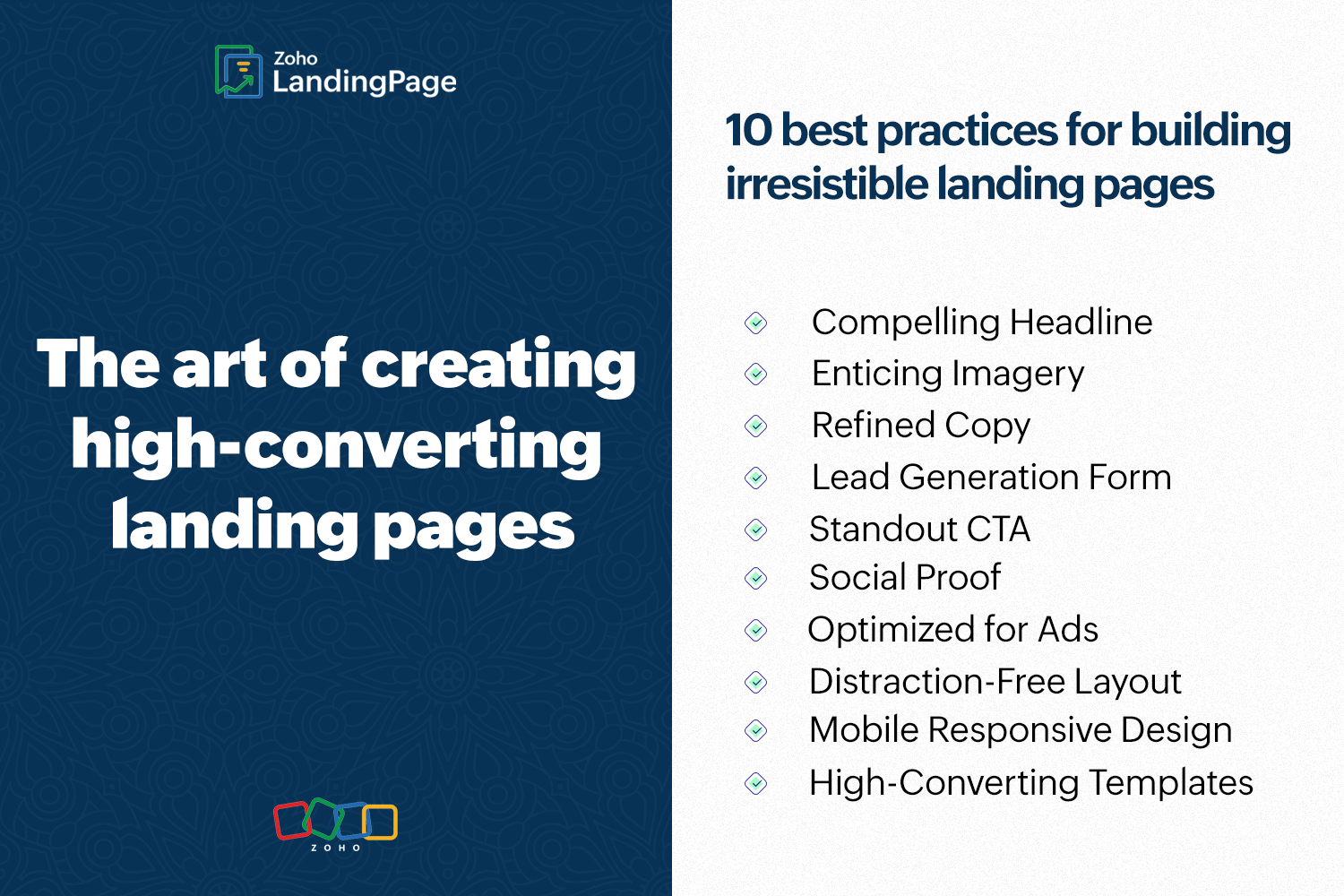
Ways to Accelerate Paid Growth Through Landing Pages
Utilizing Future-Proof Modeling for Better Search Ads Results

Landing Page Design Tips for Modern Paid Media